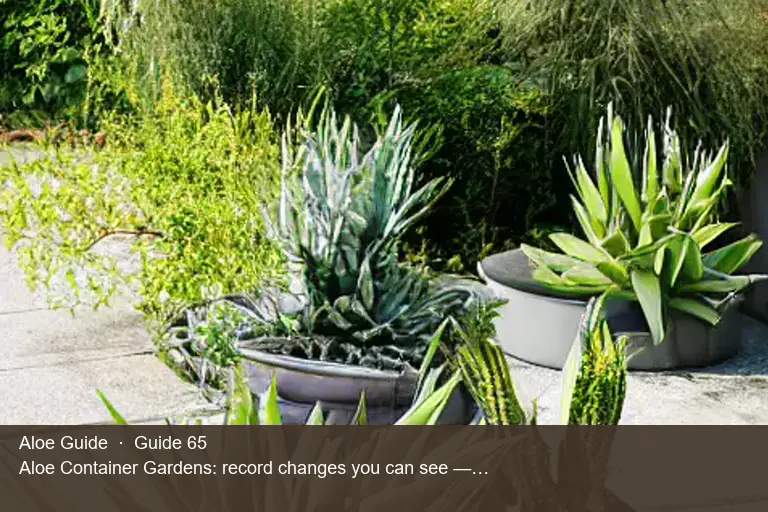
Aloe Container Gardens: record changes you can see — preparation guide for shared plant care; setup for a first project
Aloe container gardens are a delightful way to grow succulents and other hardy plants in small spaces. They offer a unique, low-maintenance alternative to traditional indoor plantings. As a seasoned gardener, I can share a few tips on how to prepare a space for aloe garden and start a first project.
- Choose the right size: The size of your aloe container garden will depend on the space you have available and the plants you plan to grow. For small spaces, a medium-sized container like a 40-gallon container with a depth of about 12 inches will work well. For larger spaces, a larger container, like a 60-gallon container with a depth of about 14 inches, will be more suitable. The container size will also affect the number of plants you can grow.
- Choose the right plants: When selecting plants, consider the light, water and temperature requirements of each species. For example, succulents prefer low light and high humidity, while other plants may thrive in bright light and low humidity. Make sure you choose plants that are suitable for your growing conditions and can grow without frequent watering.
- Prepare the soil: The soil of your aloe container garden will also affect the plants' growth. Use a well-draining soil mix that is specifically designed for succulents. Avoid using soil that is too heavy or too light.
- Create a container: The container should be large enough to accommodate the plants, but not too large that it is impractical to move the plants. The container should be designed with the plants' root systems to ensure they can grow without frequent watering. Ensure the container has drainage holes to allow excess water to escape.
- Plant the plants: Plant the plants in the container, making sure they are at the right depth and spacing. Use a seed tray or a container with drainage holes to ensure the plants can grow without frequent watering. Make sure the plants are well-draining to avoid waterlogging.
- Water the plants: Water the plants thoroughly, making sure the soil is moist all the way down to the root level. Use a watering can or a watering bottle to ensure the plants are getting the necessary amount of water. Avoid overwatering, as this can lead to root rot.
- Monitor the plants: Keep an eye on the plants and make sure they are thriving. Check the soil moisture regularly and replace the water as needed. Check the plants for signs of disease or pests.
- Fertilize the plants: Fertilize the plants with a balanced fertilizer, following the manufacturer's instructions. Avoid using fertilizers that are too strong or too weak, as this can cause nutrient imbalances or burn.
- Prune the plants: Prune the plants to encourage new growth and keep the plants healthy. Use a sharp pair of scissors or a pruning saw to remove any dead or damaged branches. Use this opportunity to rejuvenate the plants.
- Care for the plants: Finally, care for the plants with regular checks and adjustments. Keep an eye on the plants for signs of stress or disease. Make sure you provide enough light, water and nutrients to ensure the plants are thriving.
By following these tips, you can start a successful aloe container garden and enjoy the benefits of this low-maintenance alternative to traditional indoor plants. Remember to provide the right conditions for each plant and to regularly check for signs of stress or disease.
Use this guide