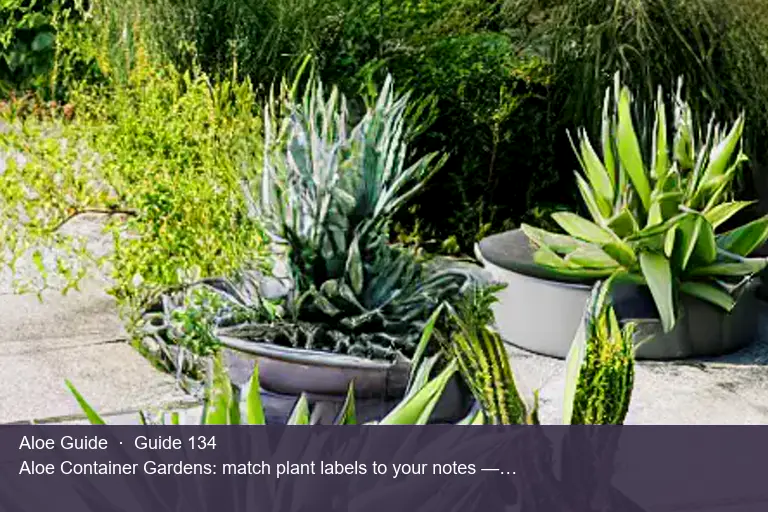
Aloe Container Gardens: match plant labels to your notes — decision tree for incomplete plant labels; setup for a first project
**Title: Aloe Container Gardens: Match Plant Labels to Your Notes — Decision Tree for Incomplete Plant Labels; Setup for a First Project**
In the vast world of gardening, plants are the lifeblood, essential for growth, beauty, and even health. The Aloe plant, commonly known as the "living medicine," is a particularly appealing option for container gardens due to its versatility and ability to thrive in various environments. However, the selection of plants can be quite challenging, especially when faced with incomplete plant labels. This article provides a practical approach to match plant labels to your notes for aloe container gardens, with a step-by-step decision tree that can help you determine the most suitable plants and set up your first project.
**Step 1: Understanding the Role of Labels**
Labels on plant pots, such as "Aloe" or "Lavender," are crucial for identifying the specific plant species. These labels help you determine the species of the plant you want to grow in your garden. For example, the "Aloe" label indicates you are growing a succulent plant, which is a type of plant commonly found in container gardens. Similarly, the "Lavender" label could indicate you are growing a herb or a herbaceous plant.
**Step 2: Identifying the Key Elements of a Plant Label**
When using a decision tree to match plant labels to your notes, the key elements you need to identify are the genus (plant family) and the species (plant species). For example, if you have a label that reads "Aloe," you need to determine the genus and species of the plant you are growing. The genus of the Aloe plant is aloe, while the species is aloe. This will help you identify the specific plant species you are growing.
**Step 3: Matching Species to Garden Conditions**
In aloe container gardens, the environment can significantly influence the species you choose. For example, aloe plants are adapted to hot, dry conditions, making them suitable for container gardens that are located in areas with high humidity and temperatures. However, the climate and environment will also affect the species you choose. For example, if you are growing a garden in a warm, humid climate, aloe plants may be ideal due to their adaptability to such conditions. Conversely, if you are growing in a cooler, dry climate, aloe plants may not be the best choice.
**Step 4: Using a Decision Tree for Incomplete Labels**
To use a decision tree for incomplete plant labels, you can start by identifying the key elements of the label, which in this case are the genus and the species. From there, you can use a tree to match the species to the specific garden conditions. For example, if you have a label that reads "Aloe," you can use a decision tree to determine whether the specific garden conditions are suitable for aloe plants. You can then use the tree to match the species to the specific garden conditions. This will help you determine whether the Aloe plant is suitable for your garden.
**Step 5: Finalizing Your First Project**
Once you have determined whether aloe plants are suitable for your garden, you can proceed to finalize your first project. This might involve selecting specific garden conditions, such as sunlight, temperature, and water needs. Once you have selected the specific garden conditions, you can start planting your aloe plants. Remember to follow the guidelines for container garden planting, such as watering, fertilizing, and pruning, to ensure the plants thrive.
**Conclusion**
In conclusion, using a decision tree to match plant labels to your notes for aloe container gardens can help you identify the most suitable plants and set up your first project. This approach will help you determine the species of the Aloe plant you are growing, the specific garden conditions, and the planting guidelines, ensuring your plant's success in your garden.