Aloe Container Gardens: put plant tasks in a useful order — process map for different container sizes; setup for a first project
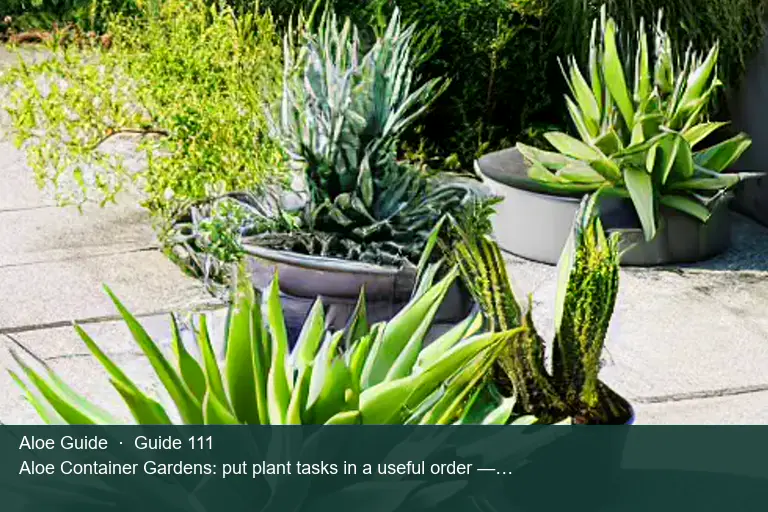
Aloe container gardens can offer a unique and rewarding environment for nurturing plants, especially in the container setting. These gardens use aloe plants (Aloe vera) as their containers, making them a popular choice for those who value their plants' health and growth. In this article, we will explore aloe container gardens and provide you with a practical guide on how to put plant tasks in a useful order. We will also provide you with a step-by-step process map for different container sizes.
Let's start by understanding the basic components of an aloe container garden. The most important components are the containers, aloe plants, and the soil mix. The containers are made from aloe plants, usually aloe vera. The soil mix is used to nourish and support the plants as they grow. The plants are placed in these containers, and the soil mix is adjusted to the specific needs of the plants, such as the water content and nutrient requirements.
Now, let's look at the plant tasks that should be done in aloe container gardens. The first task is to ensure proper drainage. Aloe containers are designed to have aeration, which means they should have holes at the bottom to allow air to circulate. This is important because it helps prevent soil from accumulating and causing soil-borne diseases.
Next, water is essential in aloe container gardens. The plant needs water to absorb essential nutrients and to grow. Water should be added to the containers at a specific rate, based on the container size and the plant's needs. Watering should be done frequently, especially during the growing season, to keep the plants healthy and growing.
The next task is to provide the right amount of soil mix. The soil mix should be the right consistency for the plant's needs. The soil mix should be loose enough to allow the roots of the plant to grow, but also too dense to prevent water from accumulating. The soil mix should be rich in nutrients and organic matter to support the plant's growth.
The final task is to protect the plants from pests and diseases. Aloe plants are prone to pests, such as aphids, mites, and thrips. The first step is to remove pests from the plants. Once the pests are removed, the plants should be protected from other pests and diseases.
In summary, aloe container gardens are a versatile and rewarding environment for nurturing plants. The basic components of an aloe container garden include the containers, aloe plants, and the soil mix. The first task is to ensure proper drainage, water is essential, and the soil mix is the right consistency for the plant's needs.
We hope that this article has helped you put plant tasks in a useful order for aloe container gardens. Whether you are a first-time plant owner or a seasoned gardener, these tasks will help ensure that your plants are healthy and thriving. Remember, the most important thing is to make the best use of your time and resources.