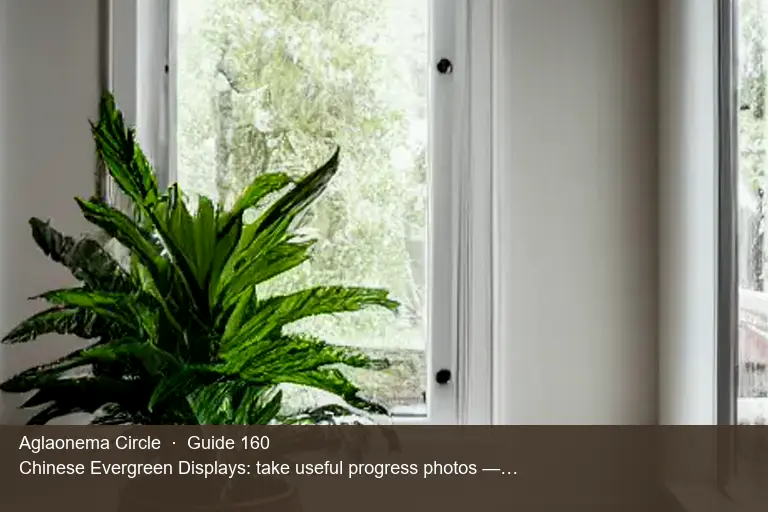
Chinese Evergreen Displays: take useful progress photos — troubleshooting map for a caretaker handover; setup in shared households
Chinese evergreen displays are a popular choice for outdoor living spaces, offering a refreshing and sustainable alternative to traditional greenhouses. These displays are often used for growing plants that thrive in cooler climates, such as succulents, cacti, and other desert plants. To help the caretaker take useful progress photos for these displays, a straightforward approach can be utilized. Here’s a detailed guide:
- **Select the Right Display:**
- Choose a display that suits the space and the plants you plan to grow. For example, choose a display that can accommodate a larger number of plants or is designed for a specific size of container.
- **Prepare the Display Area:**
- Ensure the display area is level and free of obstacles. A flat surface will enhance the visibility and ensure that the plants are well-supported and can grow freely.
- **Lighting Setup:**
- Place the display in a sunny spot, away from direct sunlight. This is crucial for the display to produce the best results.
- **Watering System:**
- If using a drip irrigation system, ensure it is set up correctly to provide adequate moisture for the plants. Check the watering schedule and adjust as needed.
- **Watering Tools:**
- Use a watering can or a drip irrigation system with appropriate holes to ensure adequate water distribution for the plants.
- **Maintenance:**
- Regularly check the display for signs of pests or diseases. Address any issues before they become more serious.
- **Color and Size:**
- Consider the color and size of the plants you plan to grow. This can help in choosing a display that complements the plants and provides the best viewing experience.
- **Environmental Conditions:**
- Ensure the display area is protected from extreme weather conditions such as strong winds or heavy rain. These can damage the display and the plants.
- **Storage:**
- Store the display in a secure place away from direct sunlight. This ensures the display remains in good condition and can be used for a long time.
- **Troubleshooting:**
- After the display is set up, use a digital camera to take progress photos. Focus on capturing the display, the plants, and the environment around the display. Use a wide-angle lens to capture the large scale of the display.
- **Photography Tips:**
- Use a tripod to stabilize the camera. This ensures the photos are not blurry and more consistent.
- **Post-Processing:**
- Once the photos are taken, post-process them using a computer or a smartphone to enhance the clarity and quality of the photos. Consider adding titles or captions to the photos to provide additional context.
- **Testing:**
- Test the photos to ensure they capture all the relevant information. Use a digital scale or a ruler to measure the dimensions of the display and the plants.
- **Handover:**
- Hand over the photos to the caretaker and ask for their feedback on the performance of the display. Use the feedback to make any necessary adjustments or improvements.
By following these steps, you can take useful progress photos for Chinese evergreen displays, which will be a useful guide for the caretaker during the handover process.
Use this guide