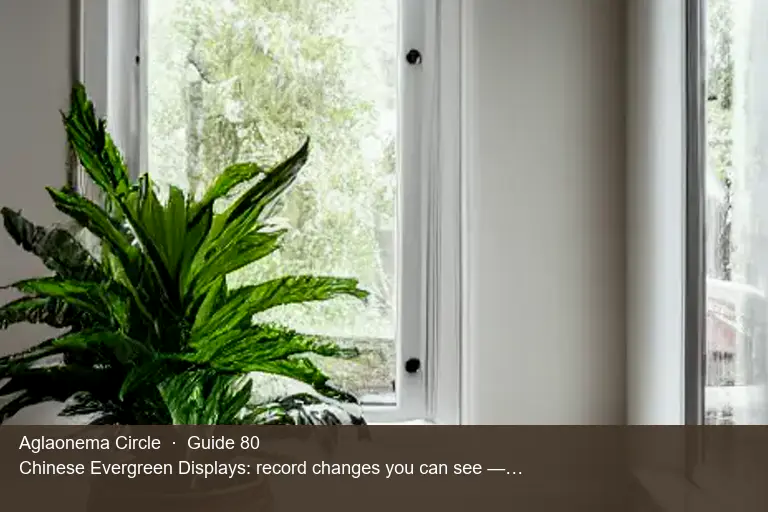
Chinese Evergreen Displays: record changes you can see — question guide for a caretaker handover; setup in shared households
**Chinese Evergreen Displays: record changes you can see — question guide for a caretaker handover; setup in shared households**
**Introduction**
Evergreen displays are a popular feature in many Chinese homes, adding a natural, inviting ambiance to rooms. However, for those looking to maintain a well-maintained, long-lasting display, it's essential to understand the changes you can see. This guide is designed to help caretakers record changes you can see for Chinese evergreen displays in shared households.
**Step 1: Understand the Display's Appearance**
Before you start documenting changes, it's crucial to understand the display's appearance. Evergreen displays are typically made of natural materials such as bamboo or pine, which can vary in color and texture. The display's design can also differ, with some having a distinct pattern or pattern of leaves, while others may have a smoother finish.
**Step 2: Record Changes**
Once you understand the display's appearance, it's time to record changes. Here are some key areas you'll need to focus on:
- **Color**: Changes in color can be a significant change. Check if the display has changed from a bright, vibrant green to a darker, more subdued shade.
- **Texture**: Changes in texture can be noticeable. Look for any variations in texture, such as a smoother finish or a rougher surface.
- **Pattern**: Changes in pattern can be a subtle but significant change. Check if the display has changed from a patterned display to one with a more natural, leafy pattern.
**Step 3: Document the Changes**
Now that you've documented the changes, it's time to document them. Here are some key points to include in your documentation:
- **Color**: Record the color change, along with any other changes you noticed.
- **Texture**: Record the texture change, along with any other changes you noticed.
- **Pattern**: Record the pattern change, along with any other changes you noticed.
**Step 4: Review and Adjust**
Once you've documented the changes, it's time to review and adjust the display. This will ensure that the display remains in good condition for future maintenance.
**Step 5: Post-Handover Assessment**
After you've completed the handover, it's essential to assess the display's condition. If the display is still in good condition, you can proceed to the next step. If it is not, you may need to take additional measures to maintain the display's condition.
**Conclusion**
Chinese evergreen displays are a great feature that can add a natural, inviting ambiance to rooms. By following the steps outlined in this guide, you can record changes you can see, document them, and adjust the display to ensure it remains in good condition for future maintenance.