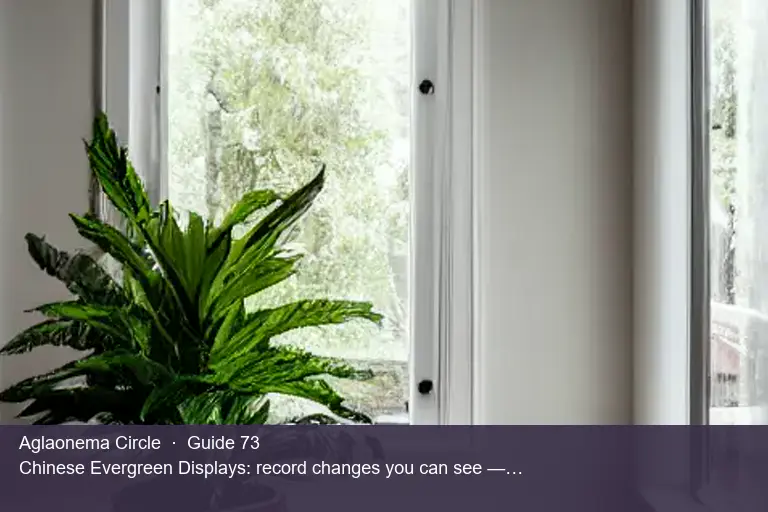
Chinese Evergreen Displays: record changes you can see — preparation guide for incomplete plant labels; setup in shared households
When working with Chinese evergreen plants in shared spaces, it’s important to notice subtle shifts in their appearance. Many people overlook the details on plant labels, but these small changes can signal health issues or environmental adjustments. Look closely at leaf color—yellowing or crisp edges often indicate stress from overwatering or poor air circulation. Pay attention to growth patterns; stunted development may suggest inadequate light or nutrients. In a household setting, communication with neighbors about care routines becomes essential. If you’re planning to display these plants together, consider grouping them with complementary species that thrive in similar conditions. This not only enhances aesthetics but also reduces competition for resources.
Preparation is key when introducing Chinese evergreens into shared environments. Before placing them near other plants or furniture, check the soil moisture and ensure drainage is proper. Adjusting the lighting conditions can make a significant difference—avoid direct sunlight if humidity rises too quickly. Keep an eye on pests, as they can spread easily in close quarters. If you notice any unusual spots or discoloration, address it promptly rather than ignoring it.
Recording these observations helps maintain a healthy display over time. Take notes on changes, note the time of day, and document any adjustments you make. This practice not only benefits your plants but also fosters better collaboration in shared spaces. By staying attentive and proactive, you can enjoy the beauty of Chinese evergreens without unnecessary stress.